Medium Class Drone Pilot Training About
5 days
Structure:
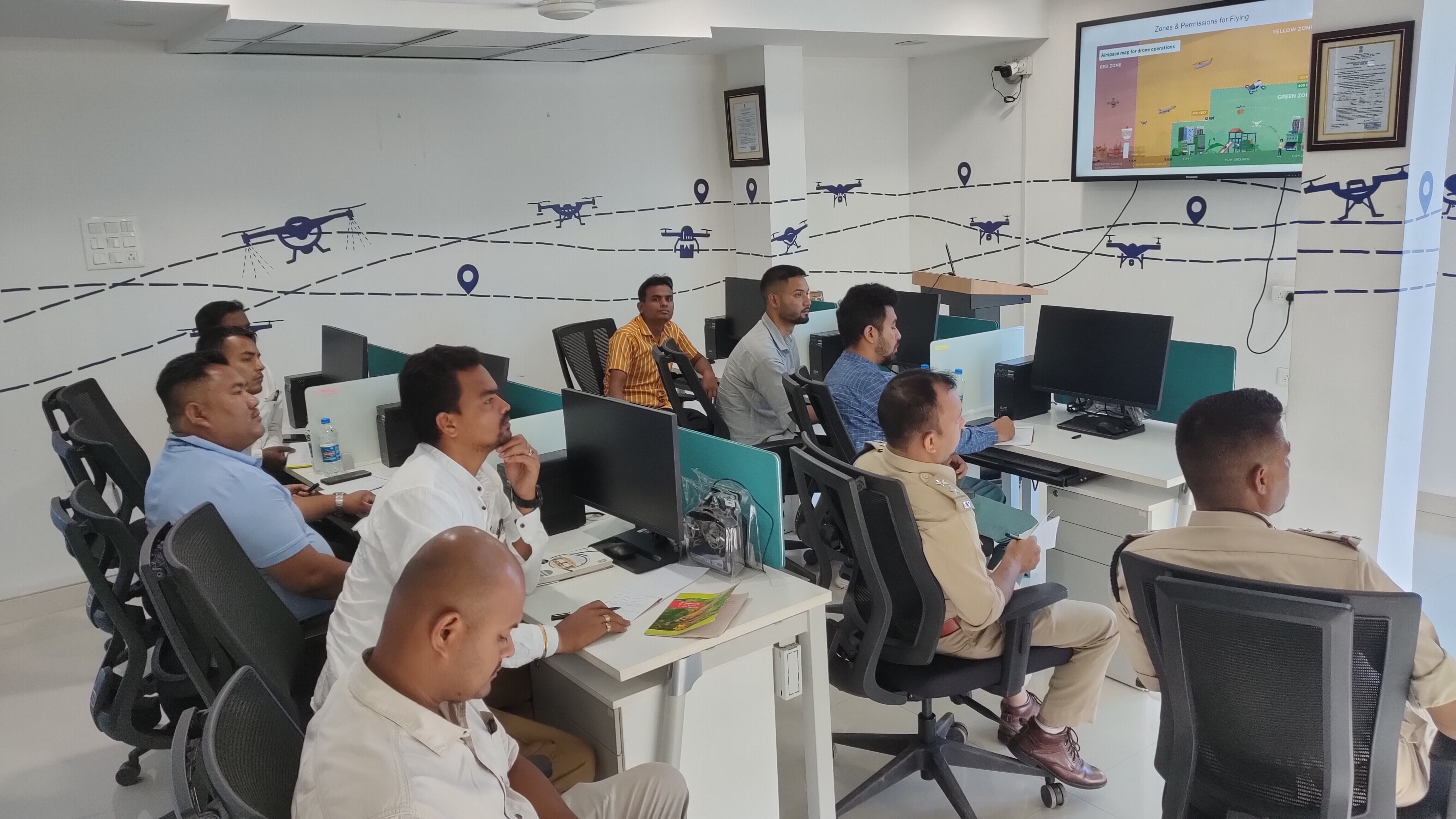
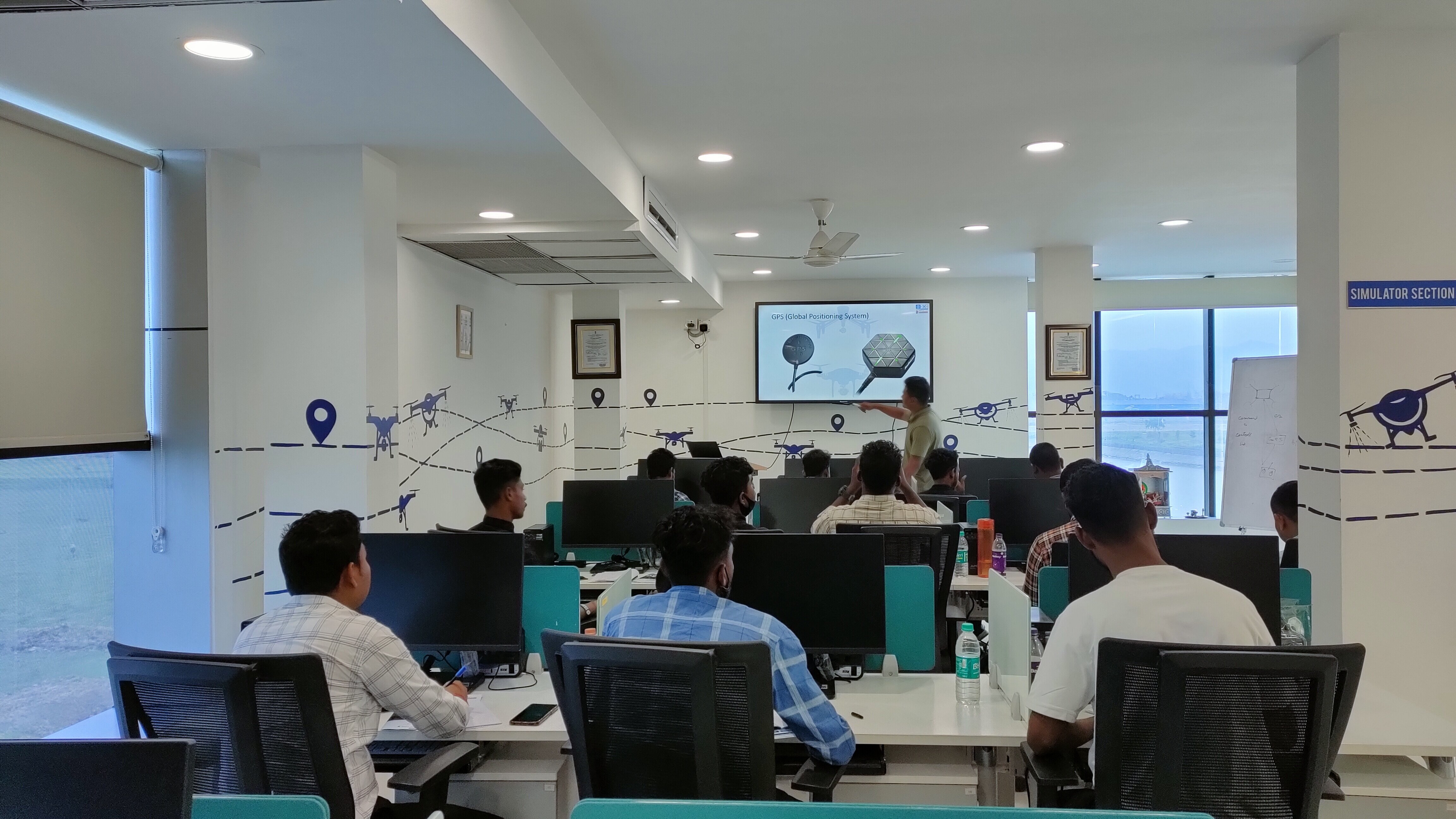
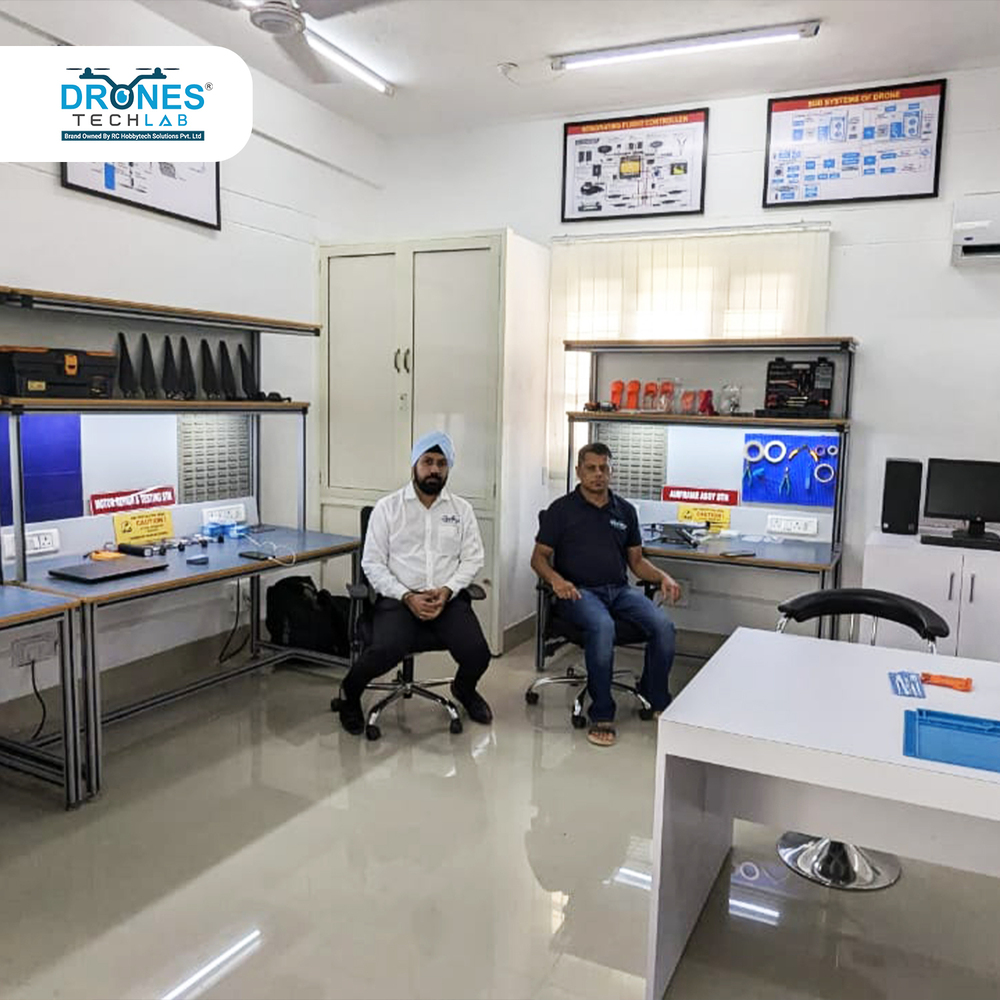
Day 1-2: Theory Sessions & Ground Training
Day 3: Flight Simulator Practice/Simulation Session
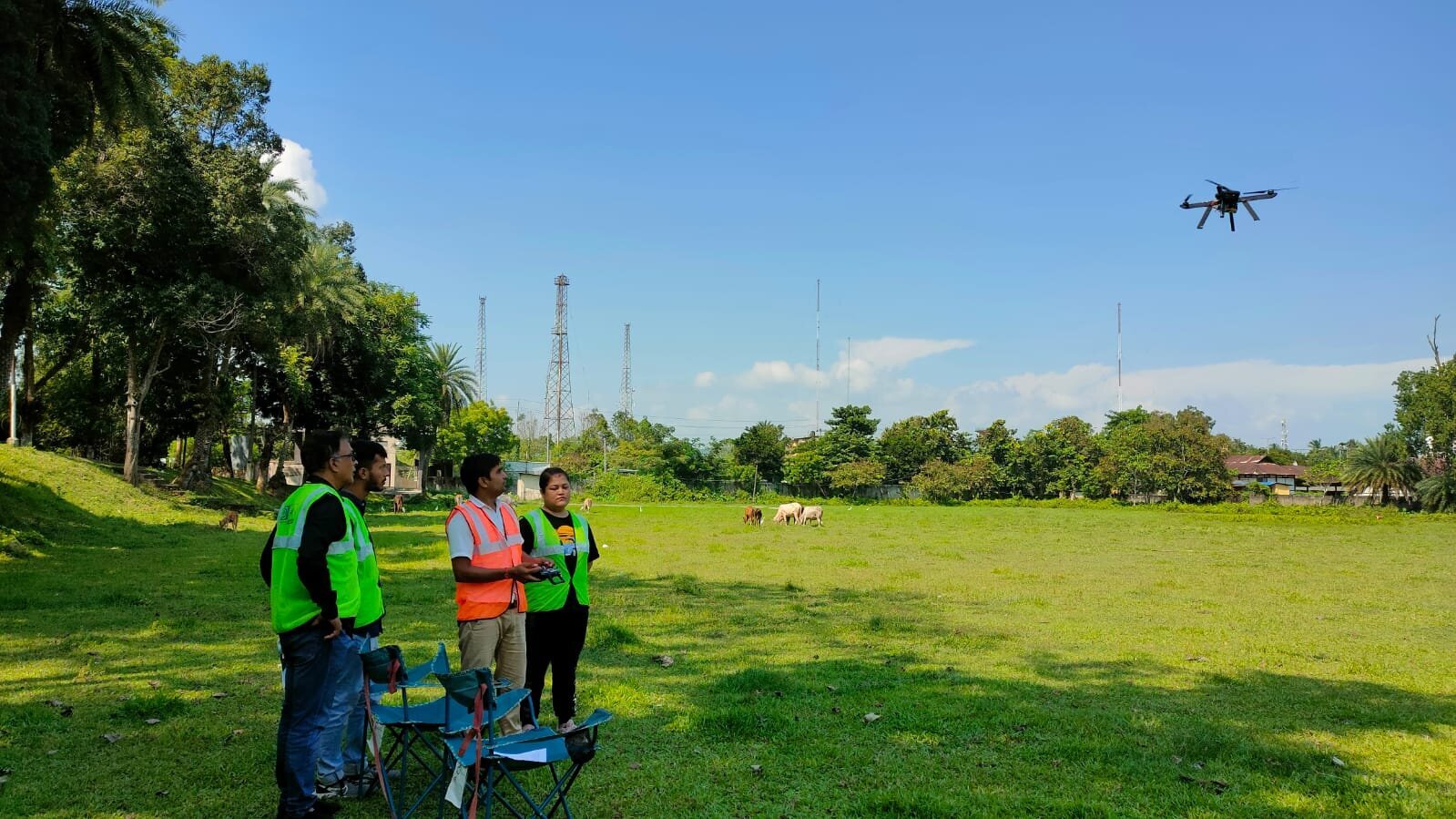
Day 4-5: Hands-On Flying Sessions
What Youll Learn:
-
Theory modules: Basic flight dynamics, multirotor and fixedwing aerodynamics, DGCA Drone Rules and airspace regulations, radio telephony, and ATC procedures. Drone operations in all zones (up to 200ft), weather and meteorology, emergency identification and handling, and payload management. Maintenance of larger drone systems and ground stations.
-
Practical modules: Flight simulator training (advanced maneuvers for larger drones). Handson assembly and maintenance of medium drones (frame, engine/propulsion integration). Supervised dual and solo flights: performing high-altitude climbs, longrange navigation, complex turns and circuits, and handling abnormal situations (e.g. simulated engine failures). Final evaluation includes mission planning exercises and realworld flight operations with payloads (e.g. cameras, sensors).
Career Opportunities:
-
Agricultural UAV Pilot: Flying medium class drones for crop monitoring and precision spraying (the course explicitly targets agriculture and surveillance).
-
Inspection & Survey Lead: Certified pilot for large infrastructure inspections (bridges, towers) or professional mapping/drone surveying projects.
UAV Instructor/Trainer: Eligibility to advance toward drone instructor roles, given DGCA course completion.
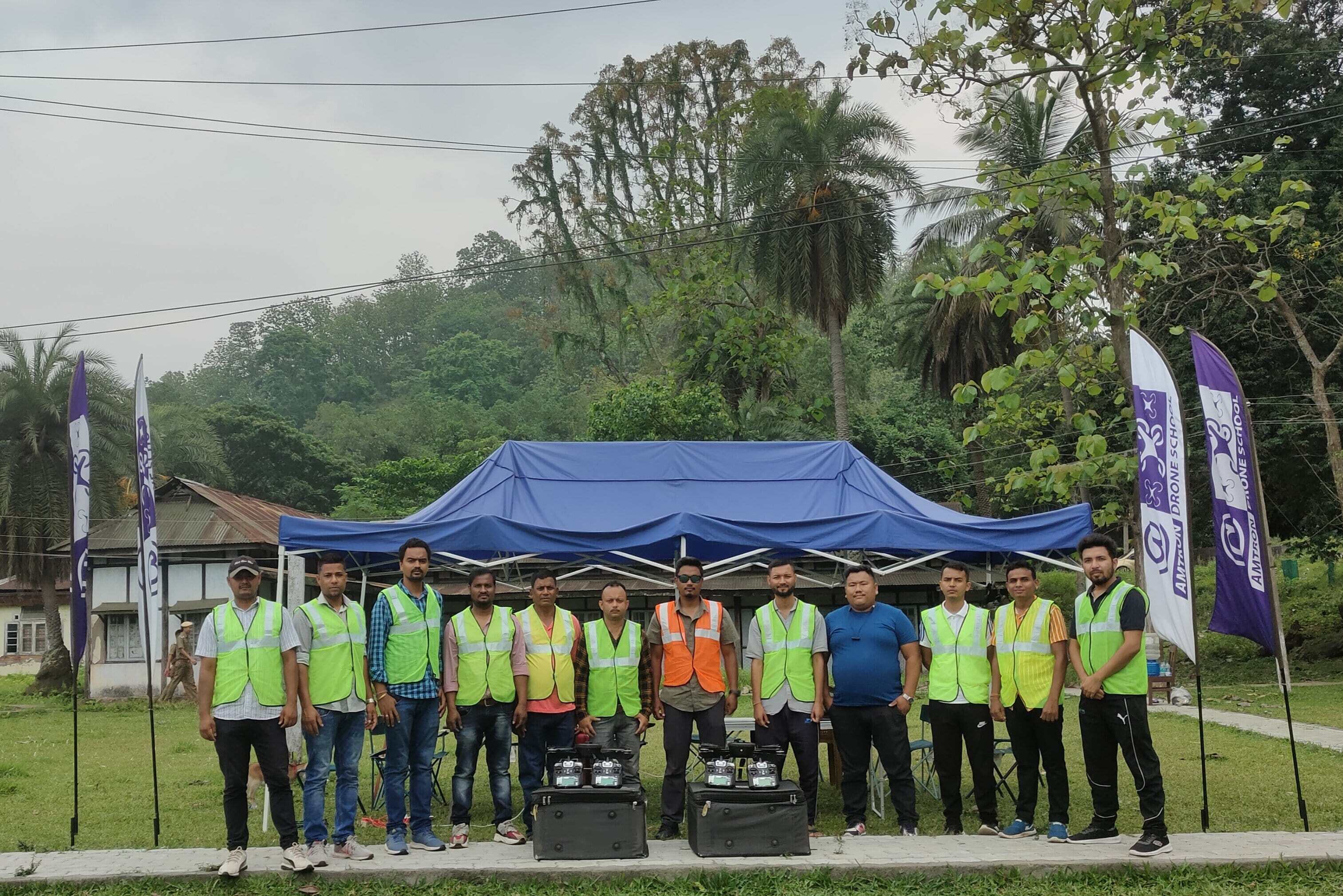
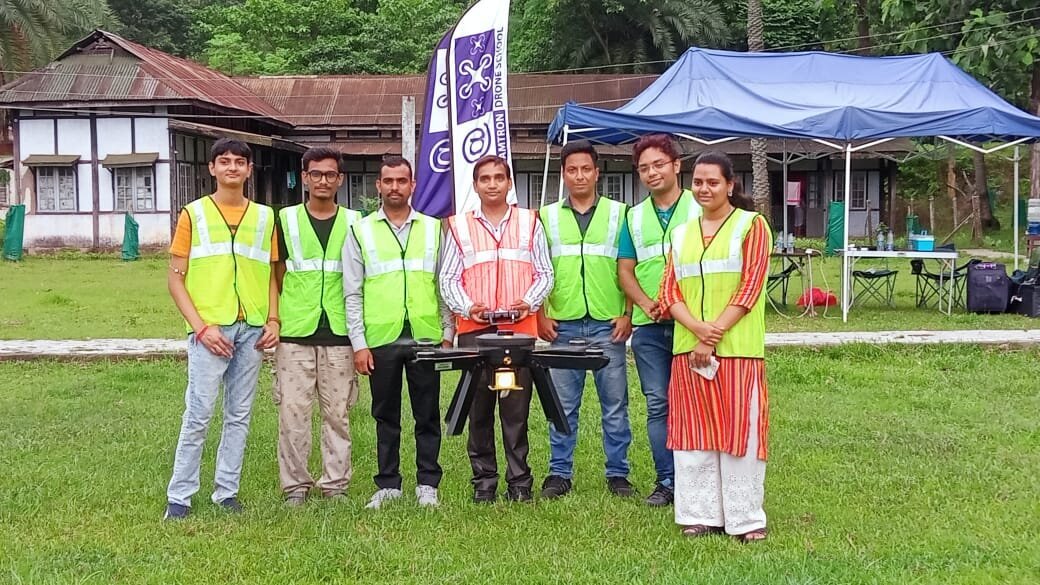
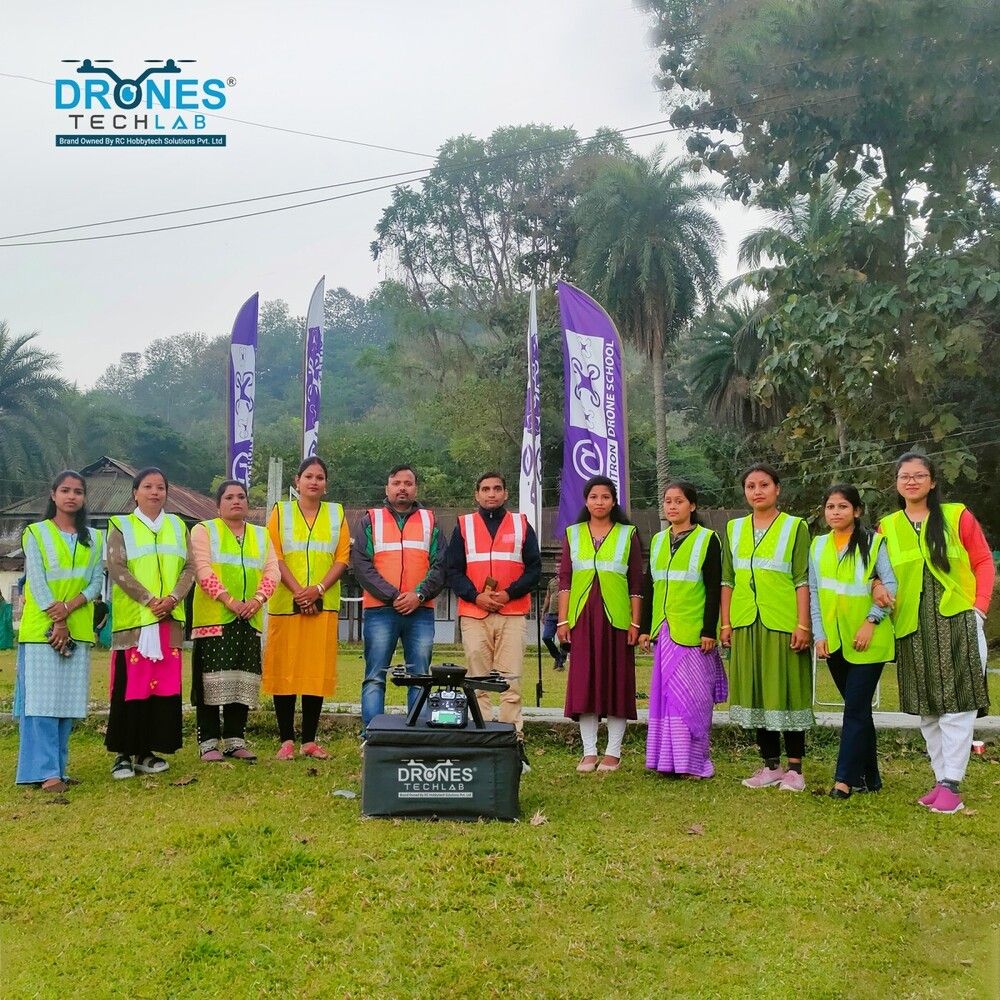
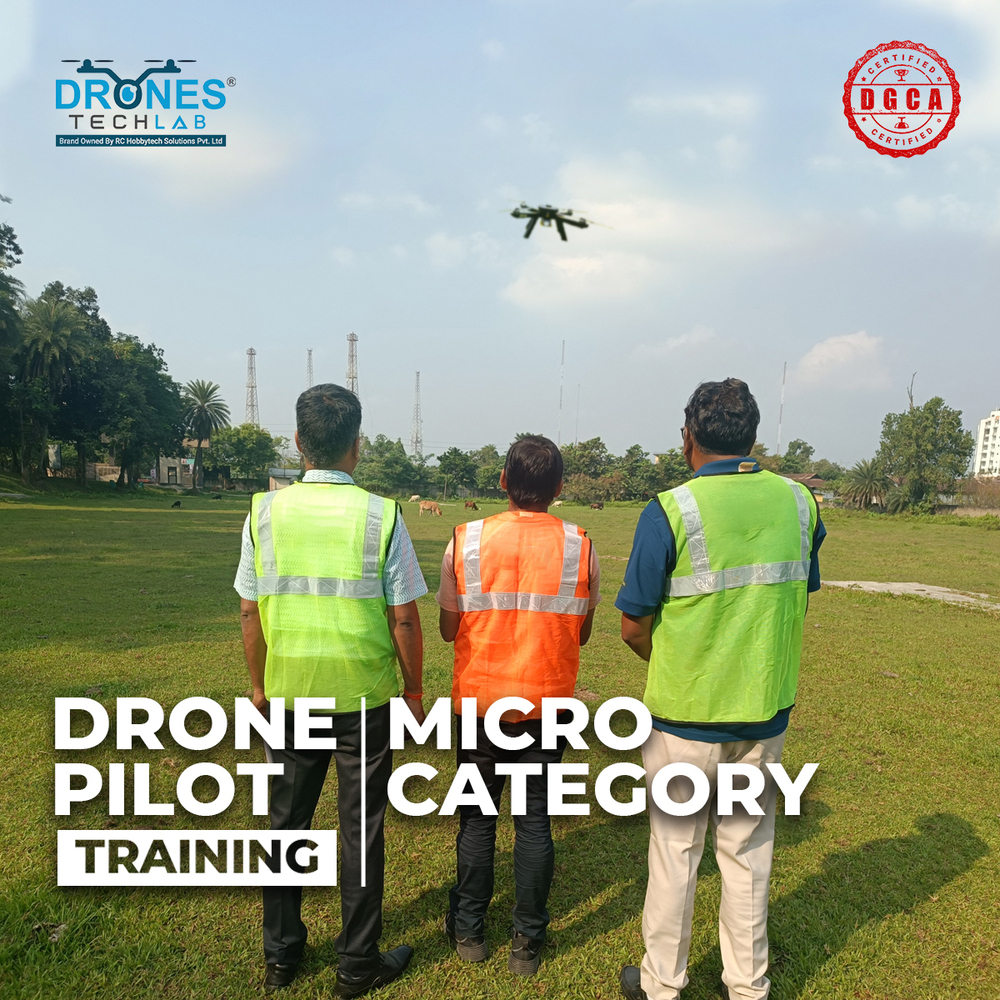
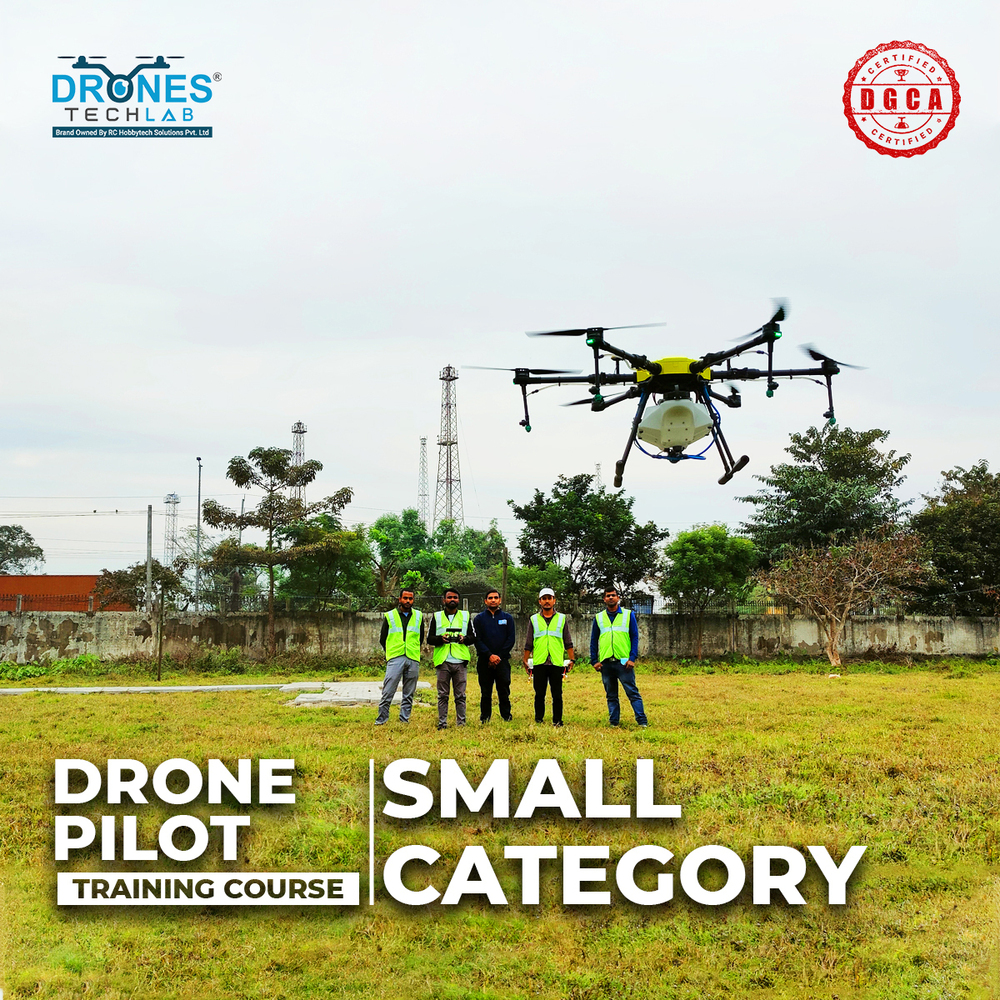
Comprehensive Hands-On TrainingThis training program ensures candidates gain practical skills by flying medium class drones under expert supervision. Each trainee works personally with provided aircraft and safety equipment, ensuring familiarity with operational procedures and safety protocols. This hands-on approach builds confidence and readiness for professional opportunities in the drone sector.
Industry-Standard Course MaterialParticipants receive robust course materials, covering technical, operational, and regulatory aspects of drone operation. These resources enable an in-depth understanding of drone control, troubleshooting, maintenance, and airspace management. Structured learning modules prepare students for written assessments and real-world applications.
FAQs of Medium Class Drone Pilot Training:
Q: How is the Medium Class Drone Pilot Training conducted?
A: The training combines theoretical lessons with hands-on practical sessions using medium class drones. Trainees participate in classroom learning and supervised drone flights, ensuring they master both knowledge and skills required for certification.
Q: What type of aircraft will I use during training?
A: You will train exclusively on manufacturer-provided medium class drones, which are suited for professional applications and align with the demands of the industry in India.
Q: When and where does the training take place?
A: Training sessions are scheduled at authorized facilities across India. Specific dates and venues are provided upon registration, ensuring accessibility and convenience for participants.
Q: What is the assessment process for certification?
A: Assessment consists of written examinations to evaluate theoretical understanding and practical tests to demonstrate piloting proficiency. Successful completion of both is necessary for certification.
Q: What safety measures are included in the course?
A: All trainees are provided with safety equipment, and the curriculum emphasizes safe operational practices, emergency procedures, and risk mitigation during flight activities.
Q: How does post-training support and placement assistance work?
A: Upon completion, graduates are offered guidance to enter the drone industry, including job placement support and access to advisory services for ongoing professional development.
Q: What are the physical fitness requirements to enroll in this program?
A: Candidates must possess basic physical fitness, enabling them to safely handle drones, follow safety protocols, and actively participate in practical sessions.
 Mon - Sat 8:00 - 6:30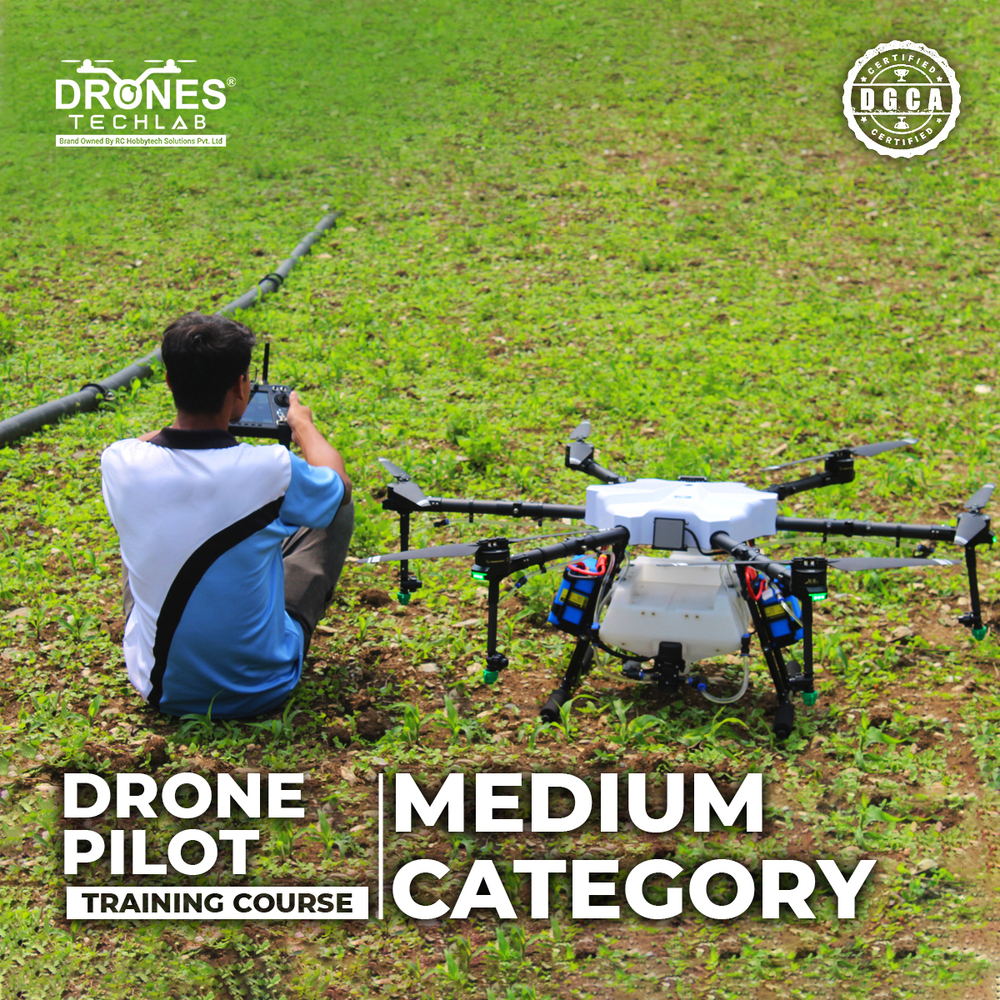






 Send Email
 Send Inquiry

 Send Inquiry
 Send Inquiry
 Send SMS


 English
 Spanish
 French
 German
 Italian
 Chinese (Simplified)
 Japanese
 Korean
 Arabic
 Portuguese