Micro Class Drone Pilot Training About
5 days
Structure:
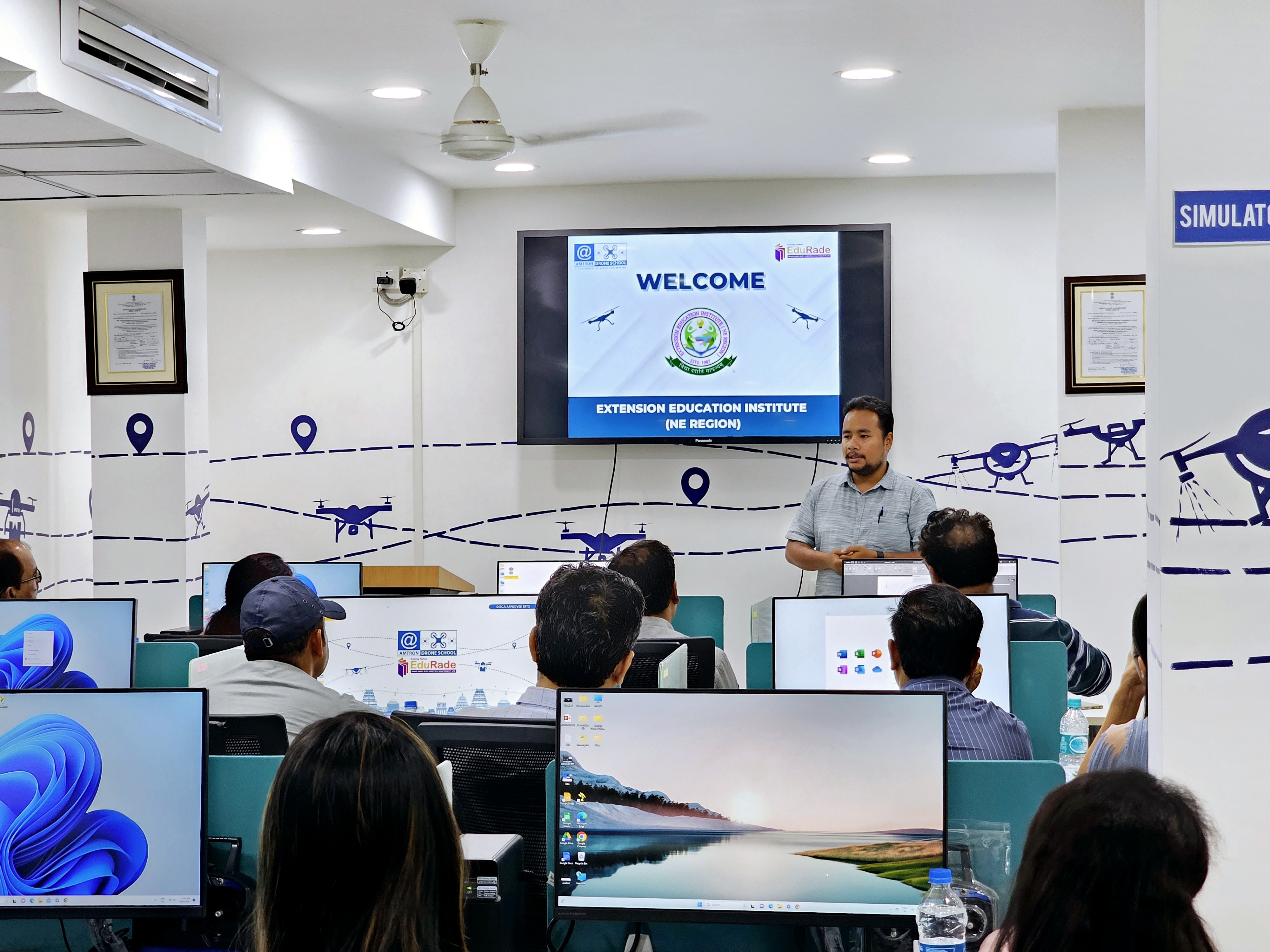
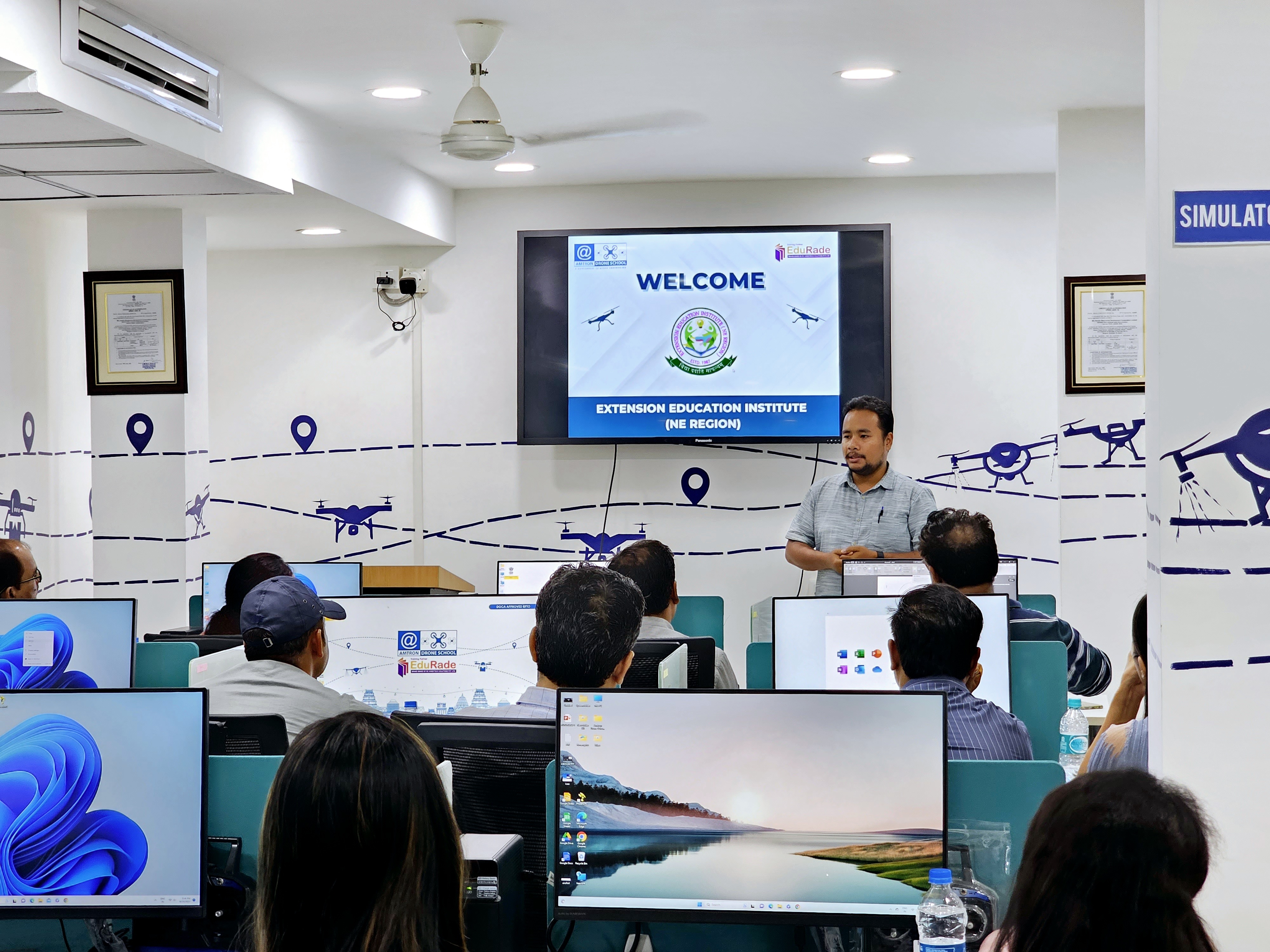
Day 1-2: Theory Sessions & Ground Training
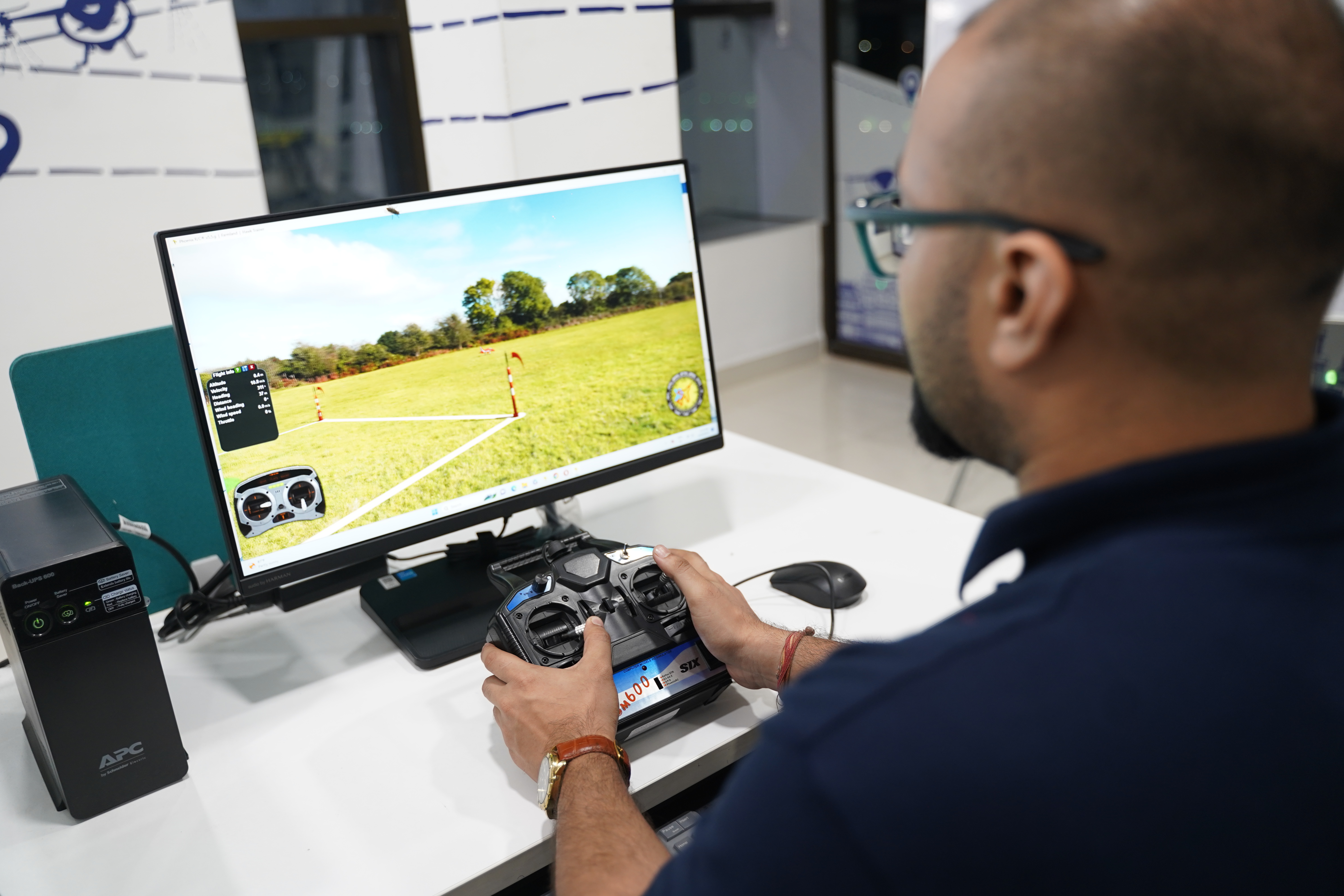
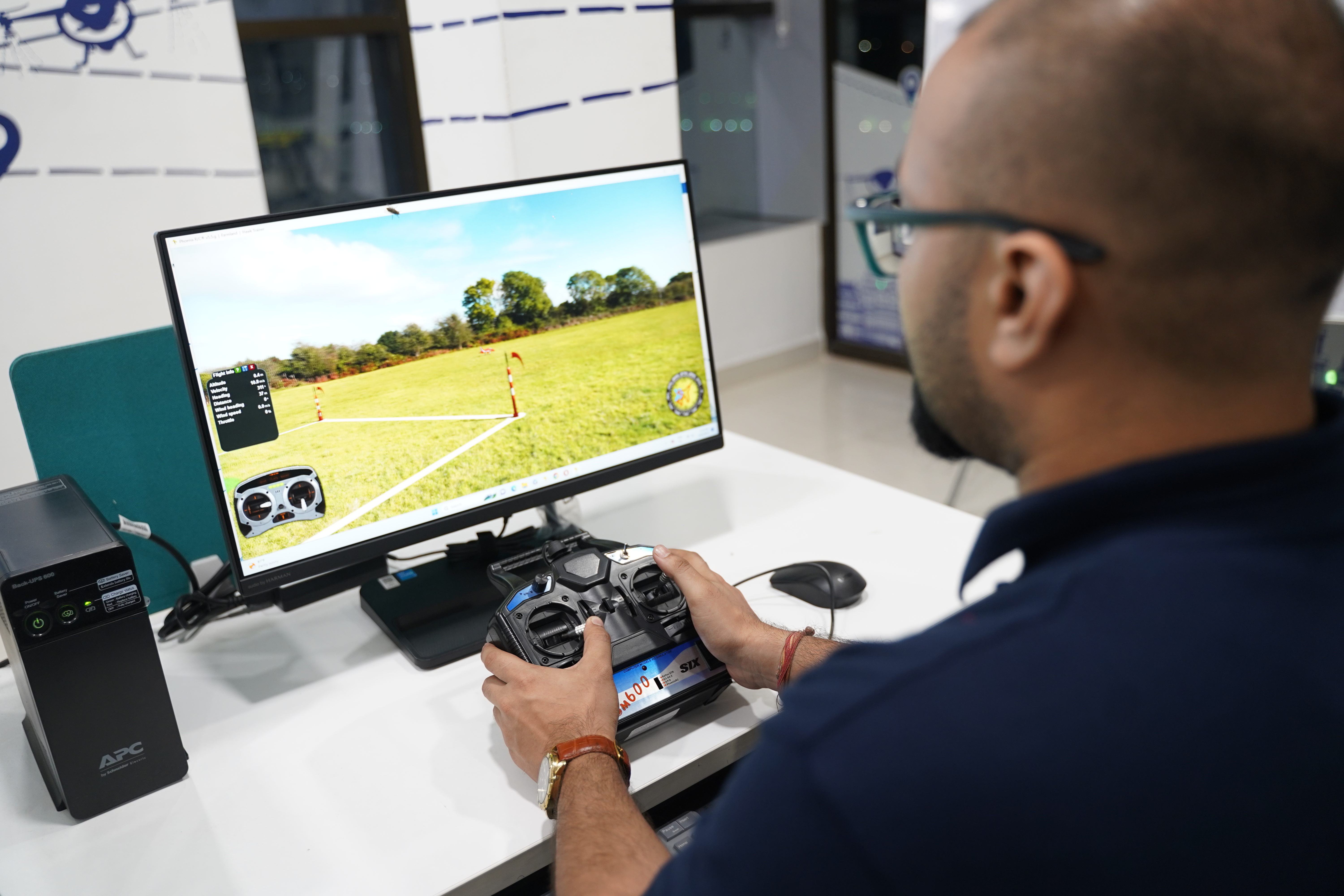
Day 3: Flight Simulator Practice/Simulation Session
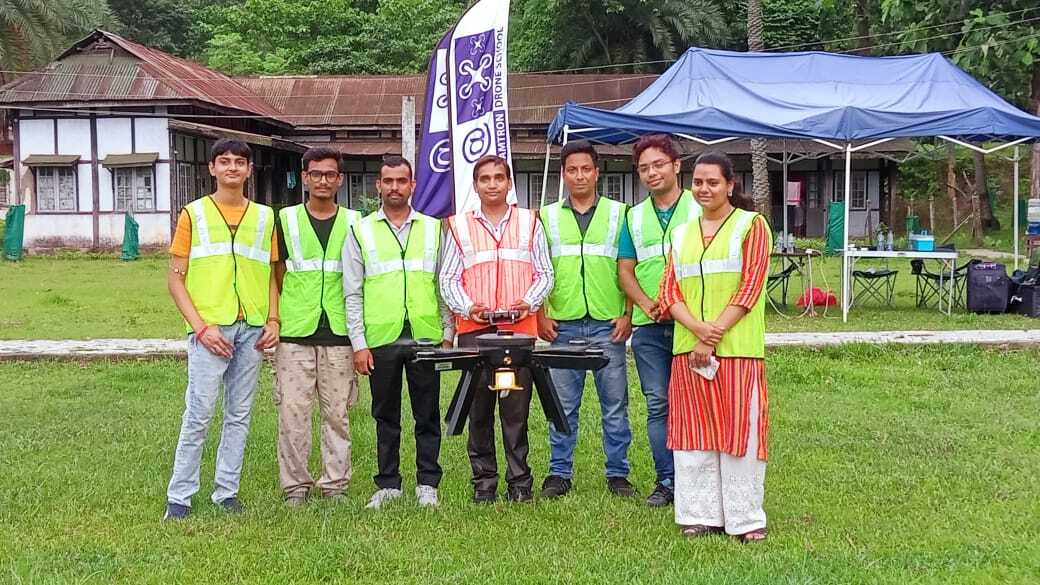
Day 4-5: Hands-On Flying Sessions
What Youll Learn:
-
Theory modules: Drone Rules (DGCA regulations), airspace classifications, basic flight principles (lift, thrust, control axes) and rotorcraft aerodynamics. Also included are ATC procedures and radio telephony basics, weather and meteorology fundamentals, payload utilization, emergency procedures, and drone maintenance.
-
Practical modules: Introduction to flight simulators (basic maneuvers, takeoff/landing, emergency scenarios). Handson lab work on drone assembly/disassembly, propulsion system integration, and faultfinding. Supervised outdoor flights: preflight checks, takeoff, climb, hover, yaw/pitch/roll control, level turns and pattern flying. Solo flights under instructor oversight, practicing circuits, figure8s, descent, approach, and goaround, plus basic mission planning and introduction to nightflying techniques. Final practical test on flying skills.
Career Opportunities:
-
Aerial Imaging/Photography: Remote Pilot for urban photography, realestate imaging, or event videography.
-
Inspection & Survey: Entrylevel UAV operator for smallscale site surveys, powerline or rooftop inspections.
-
Recreational/Professional Drone Pilot: Foundation for progressing to larger UAV classifications or specialized roles (e.g. drones in education, hobby clubs).
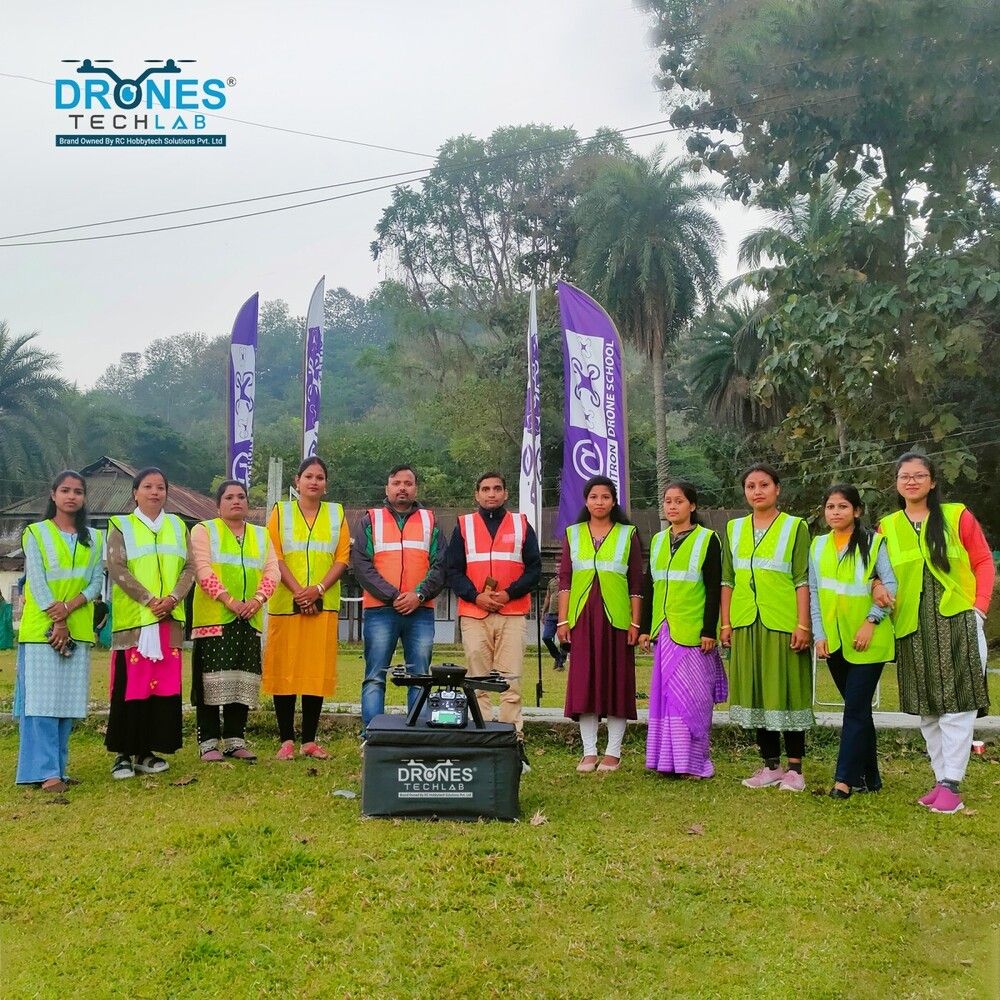
Comprehensive Beginner TrainingThis course offers a strong foundation in micro drone piloting, combining theoretical principles and hands-on flight experience. Beginners are guided by certified professionals, ensuring you grasp every essential concept and technique. Real-world scenarios are integrated into practical sessions to build confidence and proficiency.
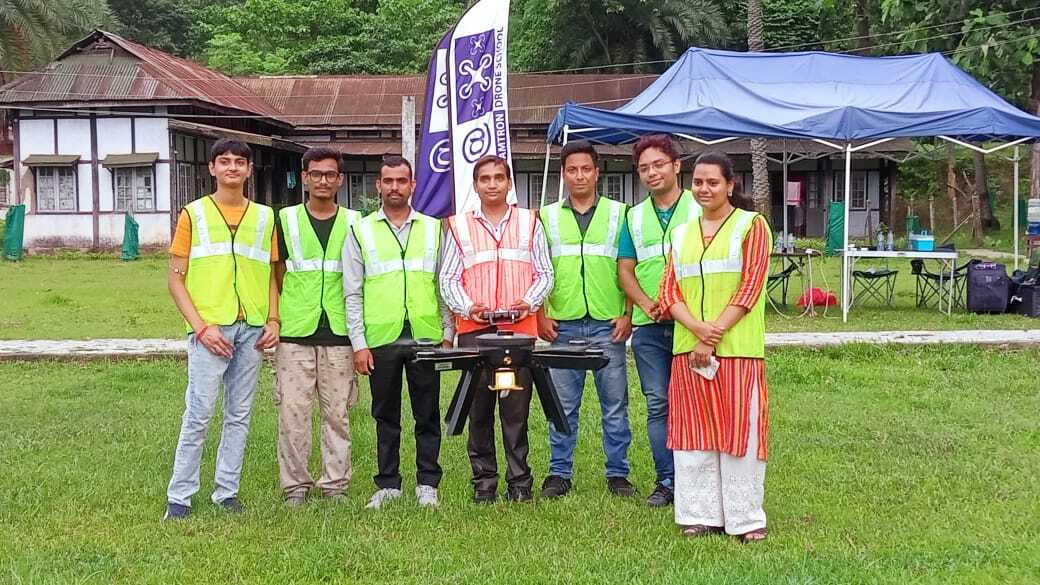
Small Batches for Personalized AttentionWith limited group size, trainees receive focused guidance and individualized feedback. This approach enhances the learning experience, encouraging interactive sessions and close supervision during both theory and practical classes. Each learner is supported throughout their training journey.
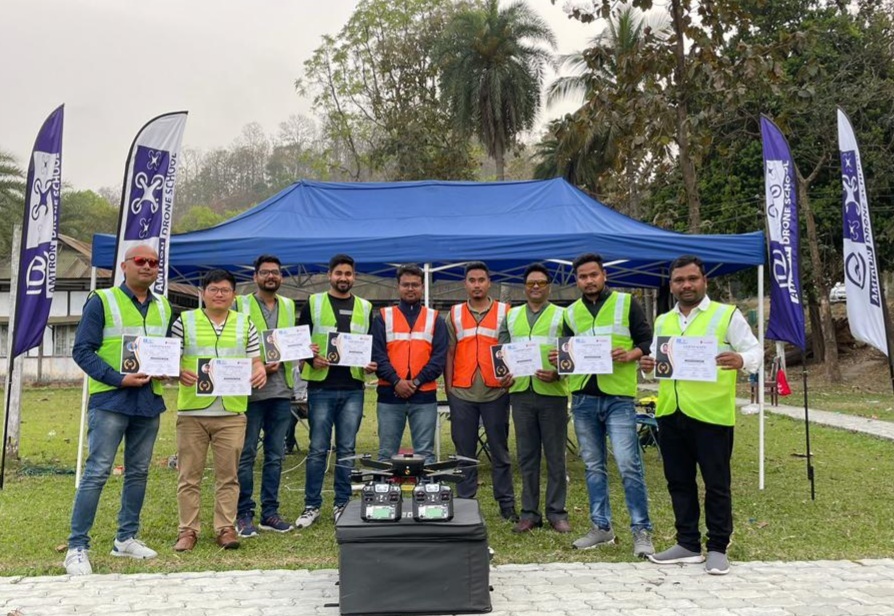
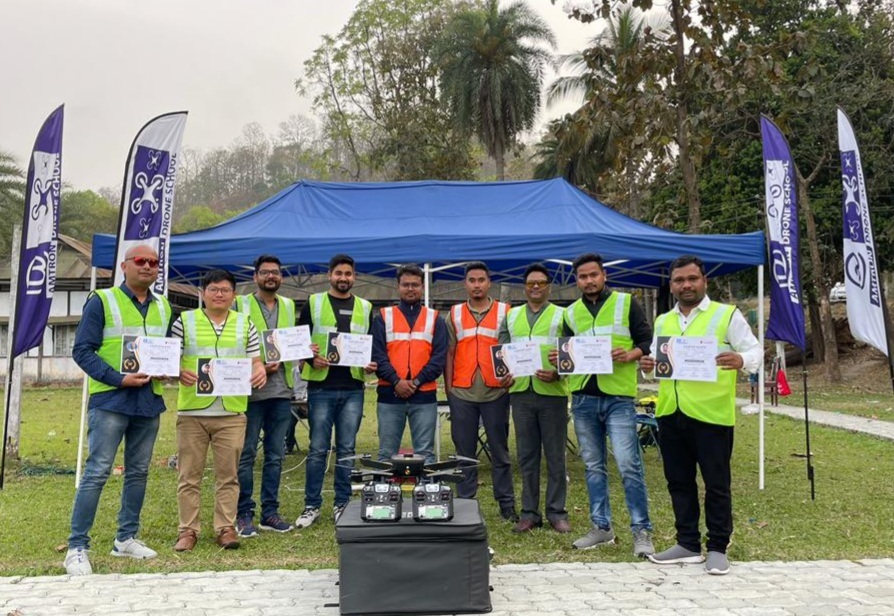
Officially Recognized and SupportedOur DGCA-approved training guarantees compliance with national aviation standards. Successful candidates undergo both written and practical assessments, demonstrating their competence before certification. Graduates benefit from placement assistance, helping them enter Indias growing drone industry.
FAQs of Micro Class Drone Pilot Training:
Q: What is the structure of the Micro Class Drone Pilot Training course?
A: The training program consists of both theoretical and practical modules, covering topics such as drone regulations, flight safety, piloting skills, and basic maintenance. Sessions are delivered in small groups by DGCA-approved instructors, ensuring thorough understanding and skill development for beginners.
Q: How is the assessment conducted during the course?
A: Participants are evaluated through a combination of written examinations and practical flight tests. These assessments are designed to measure both your conceptual knowledge and your hands-on ability to operate micro drones safely and effectively.
Q: Who can enroll in this beginner-level drone pilot course?
A: Any individual aged 18 years or above with a keen interest in drones can enroll. No prior experience is required, as the course is specially designed for beginners seeking to learn micro drone piloting from scratch.
Q: Where does the training take place and in which languages is it offered?
A: The training is conducted at various DGCA-approved centers across India. Instruction is available in both English and Hindi, allowing trainees to learn in their preferred language for better comprehension.
Q: What are the benefits of participating in this training program?
A: Trainees gain a strong foundation in safe, regulator-approved drone operation, access individual attention in small batches, receive post-training placement assistance, and earn a DGCA-recognized certificate upon passing all assessments.
Q: When can I start the training, and how are batches organized?
A: New batches are organized regularly throughout the year. Due to limited batch sizes, it is advisable to register early to secure your seat in a session that fits your schedule.
Q: How does this training support career opportunities in the drone industry?
A: Upon successful completion, participants receive placement support, connecting them with potential employers in the evolving Indian drone sector, and enabling them to pursue professional opportunities in aerial imaging, surveillance, and related fields.
 Mon - Sat 8:00 - 6:30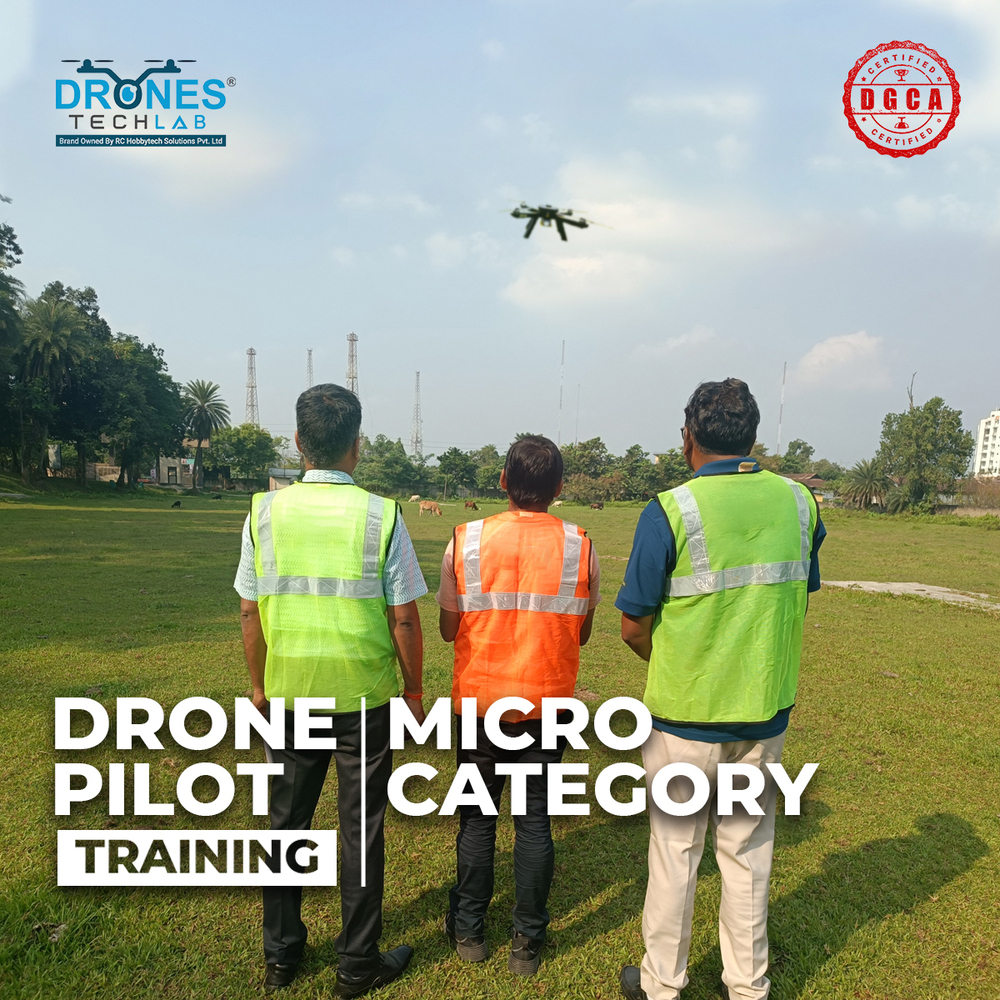






 Send Email
 Send Inquiry


 Send Inquiry
 Send Inquiry
 Send SMS


 English
 Spanish
 French
 German
 Italian
 Chinese (Simplified)
 Japanese
 Korean
 Arabic
 Portuguese