Pipeline inspection with drones About
From agriculture to construction, Drone operators have quantified this drone technology to make a huge difference in surveying, mapping and surveillance. Hence, due to this reason the energy sector is seeing gains due to scope and sheer scale of the operations. The assets are mostly in the remote location, and even though the operation people might not be able to assess it, there are times when they need to make decisions about repair and upkeep.
Comprehensive Pipeline Inspection with Advanced DronesHarnessing drones for pipeline inspection enhances coverage, safety, and data security. Our UAVs are equipped to operate in diverse Indian climates, delivering reliable performance from -10C to 50C. Automated and manual flight options enable high adaptability, while seamless API integration with SCADA systems allows real-time data accessibility and management. This technology significantly reduces time and risk associated with traditional inspections.
Secure Data Transmission for Pipeline IntegrityAll drone communications are protected by AES-256 encryption, ensuring inspection data is securely transmitted to central systems. This robust security framework meets stringent industry standards and safeguards sensitive operational information, enhancing confidence in remote pipeline surveillance.
FAQs of Pipeline inspection with drones:
Q: How are pipeline inspections conducted using drones?
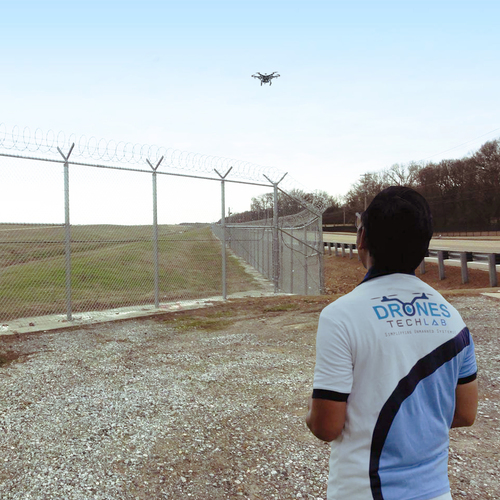
A: Drone inspections utilize UAVs equipped with advanced sensors and cameras, flying both manually or autonomously along pipeline routes. The process involves real-time data capture and secure transmission to management systems for analysis.
Q: What is the maximum operating range and temperature for these drones?
A: Drones can be remotely operated up to 8 km line-of-sight and perform reliably within ambient temperatures ranging from -10C to 50C, making them suited for diverse Indian environments.
Q: When is drone maintenance required?
A: Routine maintenance should be performed every 50 flight hours to ensure sustained operational efficiency and to address wear on mechanical and electronic components.
Q: Where can the drone inspection service be deployed?
A: Services are available across India and can be implemented in urban, rural, and remote areas, wherever pipelines require inspection and monitoring.
Q: What is the process for integrating drone data into existing pipeline management systems?
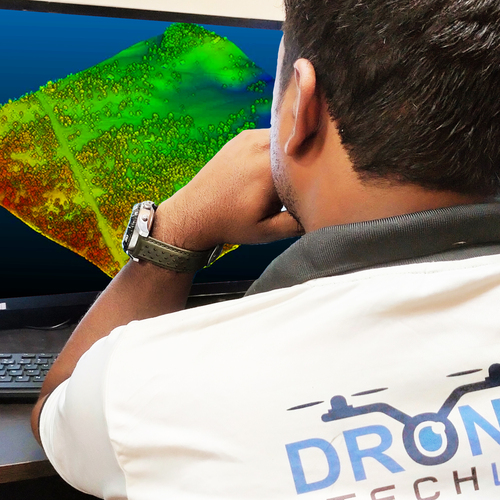
A: Integration is facilitated via dedicated APIs compatible with SCADA and pipeline management software, allowing seamless ingest and processing of inspection data for centralized management.
Q: How does data encryption benefit pipeline inspections?
A: AES-256 encryption secures all inspection data during transmission, protecting against unauthorized access and ensuring compliance with industry security standards.
Q: What are the advantages of using drones for pipeline inspection in India?
A: The primary benefits include enhanced safety, broader inspection coverage, rapid deployment, secure data management, and efficient integration with existing infrastructure, reducing costs and operational risks.
 Mon - Sat 8:00 - 6:30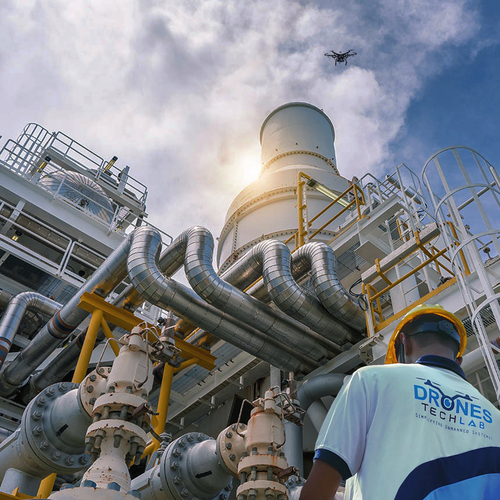






 Send Email
 Send Inquiry

 Send Inquiry
 Send Inquiry
 Send SMS


 English
 Spanish
 French
 German
 Italian
 Chinese (Simplified)
 Japanese
 Korean
 Arabic
 Portuguese